

How to Choose Functional Decor for Stylish Living
Table of Contents
- What Functional Decor Actually Means
- Step 1: Assess Your Room's Purpose and Household Needs
- Step 2: How to Balance Style and Function in Interior Design
- Step 3: Select Multifunctional Furniture for Small Spaces
- Step 4: Implement Decorative Storage Ideas for the Home
- Step 5: Choose Lighting, Rugs, and Statement Pieces That Work
- Budget-Friendly Home Decorating Ideas That Don't Compromise Quality
- Common Mistakes to Avoid When Choosing Functional Decor
- Frequently Asked Questions
Last Updated: October 8, 2026
What Functional Decor Actually Means
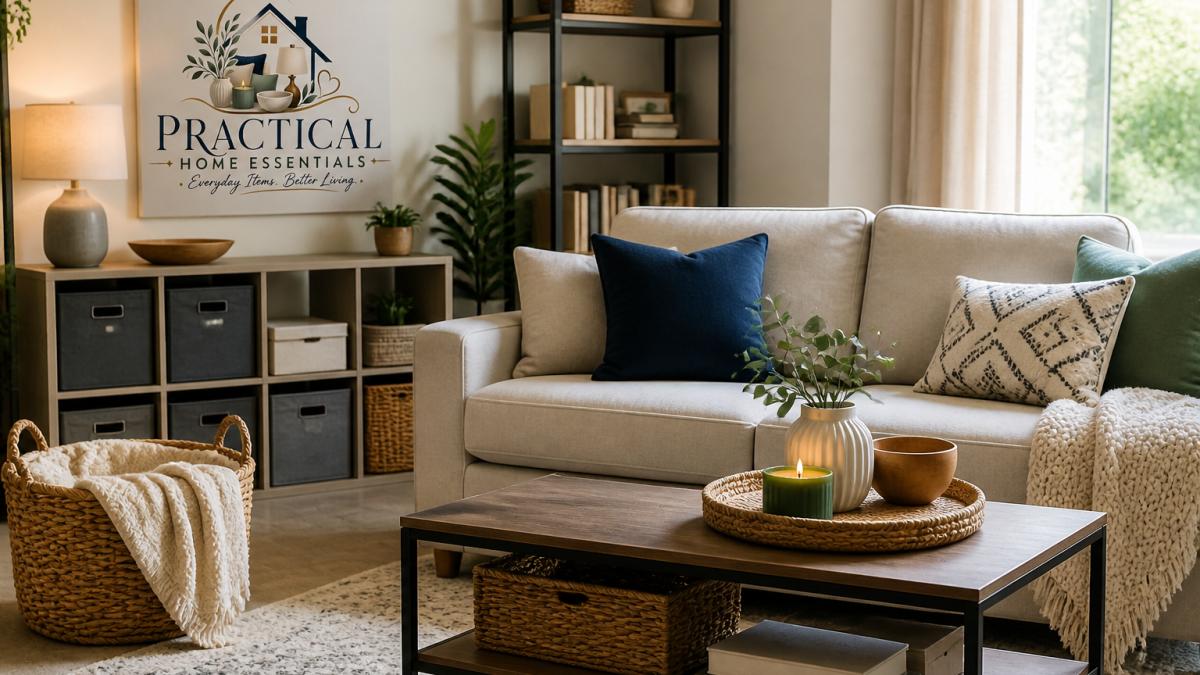
Functional decor is home design that serves two purposes at once: it looks good and it does something useful. A decorative storage basket holds blankets.
The key is intentionality: every piece should fit your space and your life.
Step 1: Assess Your Room's Purpose and Household Needs
Start by understanding what your room actually needs to do. A living room is different from a home office, and a bedroom with pets has different demands than one without.
Write down the activities that happen in your space:
- Work or study
- Relaxation or entertaining
- Storage of specific items
Next, identify pain points: clutter, poor lighting, uncomfortable furniture, cramped layouts. These tell you what functional decor should solve. Pet owners need durable, washable fabrics. Remote workers need task lighting and ergonomic seating.
Step 2: How to Balance Style and Function in Interior Design
The biggest mistake is treating style and function as opposites. Function is the foundation that allows style to work, so run every piece through a repeatable framework before you buy.
The Four-Filter Framework
Run every candidate piece through these four filters, in order. Fail any one, and it doesn't earn a spot.
Filter 1, Job. What specific task does this piece perform? "Looks nice" is not a job.
Filter 2, Fit. Does it physically work in the space? Measure before you buy:
- Doorway and stair clearance. Standard interior doorways are about 30-36 inches wide; an 84-inch sofa won't turn a narrow hall corner. Measure the diagonal, not just the width.
- Walkway width. Leave 30-36 inches for main traffic paths and 18 inches for secondary paths. Below that, a room feels cramped even if it fits.
- Scale against the wall. A sofa should span roughly two-thirds to three-quarters of its wall. A rug under seating should extend at least 6-8 inches beyond the front legs.
Filter 3, Wear. Will it survive your actual household? Match the material to the reality, not the showroom:
- Upholstery. For homes with pets or kids, choose tight-weave fabrics (microfiber, performance weaves, leather) over loose weaves like linen or bouclé, which snag. Check the rub count, 15,000 double rubs is light residential use, 30,000+ is heavy.
- Finishes. Matte and textured finishes hide fingerprints and scratches better than high-gloss. Solid wood or metal frames outlast veneer for daily-use seating.
- Cleanability. Removable, washable slipcovers are worth the premium with pets or young children. Fixed upholstery means professional cleaning.
Filter 4, Feel. Only after a piece passes the first three filters do you judge style. Does its color, material, and silhouette match the room?
Where Style Actually Lives
Once function is locked in, style comes through three levers:
- Material. The same storage ottoman reads Scandinavian in pale oak and coastal in woven rattan. Material does more style work than color.
- Color. Anchor the room with two or three colors and one accent. Functional pieces sit in the anchor palette; accent color goes on replaceable items like pillows and art.
- Silhouette. Clean lines read modern; curves and turned legs read traditional. Pick one dominant silhouette per room.
Accessibility and Ergonomics
Balance also means the room works for everyone who uses it:
- Reach zones. Everyday items should sit roughly 15-48 inches off the floor for a seated adult and 20-60 inches for a standing adult. Anything outside those zones is storage, not access.
- Pathways. Keep at least one clear 36-inch path through any room a wheelchair, walker, or stroller needs to move through. Rugs should be low-pile or secured with a non-slip pad.
- Seating height. Standard seat height is about 18 inches; chairs between 17 and 19 inches work for most adults. Lower seats are harder to rise from.
- Lighting switches and outlets. If you're adding lamps, consider smart plugs or remote switches so lighting is reachable without crawling behind furniture.
The goal is spaces that feel intentional, reflecting your style while making daily life easier.
Step 3: Select Multifunctional Furniture for Small Spaces
Multifunctional furniture does more than one job. An ottoman provides seating, storage, and a footrest. These pieces are especially valuable in small spaces, but they work in any room.
Prioritize the functions that matter most to you: a storage bench covers seating and storage; a narrow table handles desk and nightstand duty.
Evaluate each piece honestly:
- Does it actually perform both functions well, or is it awkward at both?
- Will it look cluttered when storing items, or does it hide contents?
- Is the quality solid enough for daily use?
- Does it match your style and the rest of your decor?
Avoid pieces that sacrifice function for novelty. A coffee table that converts to a desk sounds useful until you realize it's unstable as a desk and awkward as a table.
Step 4: Implement Decorative Storage Ideas for the Home
Storage is one of the most important functional decor elements.
Decorative storage hides what you don't want to see while adding visual interest.
Start by identifying what needs to be stored:
- Seasonal items (holiday decor, winter gear)
- Daily items (remotes, books, toys)
- Supplies (office materials, cleaning products)
- Hobby gear
Then choose storage that matches your style. Scandinavian spaces work with light wood and white baskets.
The rule: storage should be as beautiful as it is functional.
PracticalHomeEssentials.com offers storage solutions designed to work in any room, each combining practicality with style.
Step 5: Choose Lighting, Rugs, and Statement Pieces That Work
These three elements transform a room from functional to finished, but only if you get the specs right.
Lighting: Layer by Function, Then Size by Room
Lighting has three jobs, and most rooms need all three:
- Ambient (general). Fills the room via a ceiling fixture or a pair of floor lamps. Aim for roughly 20 lumens per square foot, a 200-square-foot living room wants about 4,000 lumens total.
- Task. Focused light for reading, cooking, or working. A reading lamp should deliver about 400-600 lumens at the page; desk task lighting typically runs 500-1,000 lumens.
- Accent. Highlights art, shelves, or architecture, usually at roughly three times the brightness of the surrounding ambient light.
Color temperature matters more than most people realize. Warm white (about 2700K) suits living rooms and bedrooms. Neutral white (about 3000K) works in kitchens and bathrooms.
Indoor and Outdoor Decorative String Lights →
Fixture sizing. A pendant or chandelier over a table should be about 12 inches narrower than the table on each side, and hang roughly 30-36 inches above the table surface.
Dimmers are the cheapest upgrade in the room. A dimmer on the main ambient fixture lets one light source serve both bright-task and low-mood settings.
Rugs: Size to the Furniture, Not the Room
The single most common rug mistake is buying too small. A rug should relate to the furniture on it, not to the walls.
- Living room. The rug should be large enough that the front legs of all seating sit on it, typically at least 8x10 feet for a standard sofa-and-two-chairs arrangement. A 5x8 rug under a full seating group looks like a bath mat.
- Dining room. The rug should extend at least 24 inches beyond every edge of the table so chairs stay on it when pulled out. A 6-foot table needs at least an 8x10 rug; an 8-foot table needs a 9x12.
- Bedroom. A queen bed typically wants a 9x12 rug placed so about two-thirds extends past the foot of the bed, or two runners on either side.
Material trade-offs:
- Wool. Durable, naturally stain-resistant, holds up for decades. Higher cost, can shed for the first few months.
- Synthetic (polypropylene, polyester). Cheaper, easy to clean, good for high-traffic and pet households. Less luxurious underfoot and can pill.
- Cotton. Washable, casual, good for flat-weave and small rugs. Wears faster in high-traffic areas.
- Jute and sisal. Durable and textural, but rough underfoot and hard to clean if liquids spill.
For pet or kid households, a low-pile synthetic or wool rug with a non-slip pad is the practical choice. Always use a pad, it extends rug life, prevents slipping, and adds cushioning.
Statement Pieces: One Strong Voice, Not Five Weak Ones
A statement piece is what the eye lands on when someone walks in. It can be a chair, a light fixture, a large piece of art, or a bold storage piece, but it should be one, and the most distinctive thing in the room.
What makes a piece read as a statement:
- Scale. Oversized art (a single piece 36x48 inches or larger) reads as a statement; a gallery wall of small frames reads as texture.
- Contrast. A dark piece in a light room, or a sculptural shape among rectangles, draws the eye.
- Placement. Statement pieces work best against a quiet backdrop, a plain wall, a neutral floor, or a simple rug.
The trade-off to watch: statement pieces are usually the least functional item in the room. That's fine, as long as everything else does its job.
When these three work together, layered lighting, correctly sized rugs, and one confident statement, the room stops feeling like a collection of purchases and starts feeling designed.
Budget-Friendly Home Decorating Ideas That Don't Compromise Quality
You don't need a fortune to create a functional, stylish home. Strategic choices matter more than budget size.
Prioritize investments. Spend on pieces you use daily: seating, beds, lighting.
Shop by category, not by room.
Consider quality over quantity. One well-made ottoman beats three cheap ones, and a single statement light fixture outperforms multiple mediocre lamps.
Look for versatile pieces that work in multiple styles.
Common Mistakes to Avoid When Choosing Functional Decor
Most people make the same decorating errors.
Prioritizing looks over comfort. A stunning chair that's uncomfortable defeats the purpose.
Overcrowding shelves and surfaces. Empty space is part of design.
Ignoring lighting. Poor lighting makes even beautiful spaces feel gloomy.
Choosing trendy over timeless. Trends fade.
Forgetting about maintenance. Light-colored furniture shows dirt.
The best functional decor solves real problems while reflecting your style.
Creating a home that balances style and function takes intention, but it's achievable. PracticalHomeEssentials.com offers a curated selection of home essentials, from decorative string lights to storage solutions, designed to help you build spaces that work as hard as they look.

Frequently Asked Questions
What is functional decor?
Functional decor refers to decorative items and furniture that serve a practical purpose while enhancing your room's appearance. Unlike purely decorative pieces, functional decor solves everyday problems, storage ottomans hide clutter, statement lighting provides task illumination, and area rugs define spaces while protecting floors. The goal is to choose pieces that work hard for your household while looking intentional and stylish.
How do I choose furniture and decor for a small space?
In small spaces, prioritize multifunctional furniture that serves multiple purposes. Look for pieces like storage benches, nesting tables, or wall-mounted shelving that maximize usable space without overwhelming the room. Choose a cohesive color palette to create visual flow, use vertical storage to draw the eye upward, and select statement pieces sparingly. Measure your room dimensions carefully before purchasing to ensure everything fits comfortably and allows for circulation.
How can I decorate my home on a budget without sacrificing style?
Start by investing in foundational pieces like neutral furniture and quality basics, then layer in affordable accessories like string lights, wall art, and decorative objects. Shop secondhand or sales for statement pieces, and prioritize items that work across multiple rooms if you're renting or may move. Focus on high-impact, low-cost updates like new throw pillows, plants, or lighting. Many functional pieces, like storage solutions and task lighting, improve both comfort and aesthetics without requiring premium pricing.
What should I consider before buying home decor?
Before purchasing, measure your space, identify your room's primary function, and assess your household's specific needs. Consider durability and maintenance requirements, especially if you have pets or children. Think about whether pieces fit your overall color palette and design style. Check that items offer practical benefits beyond aesthetics, does that shelf provide needed storage? Does the rug define the space? Finally, verify return policies and color accuracy, as online photos often differ from real-world appearance.