

How to Organize Stylish Pet Food Storage
Table of Contents
- Why Stylish Pet Food Storage Matters
- Best Airtight Pet Food Containers for Freshness and Design
- Pet Food Storage Ideas for Small Spaces
- FDA Pet Food Storage Guidelines and Safety Standards
- Creating a Custom Feeding Station
- Maintaining Food Freshness and Preventing Pest Issues
- Design Integration: Making Pet Food Storage Part of Your Decor
- Frequently Asked Questions
Last Updated: October 1, 2026
Why Stylish Pet Food Storage Matters
How to organize stylish pet food storage goes beyond keeping kibble in a bag under the sink. It's about creating a system that keeps your pet's food fresh, protects it from pests, and actually looks good in your home. When you treat pet food storage as part of your interior design, you solve multiple problems at once: food stays fresher longer, your space stays organized, and your home looks intentional instead of cluttered.
Most pet owners overlook this detail, tossing kibble in a cabinet and hoping it stays fresh. A proper storage setup prevents stale food, pests, and wasted money.
Best Airtight Pet Food Containers for Freshness and Design
The foundation of pet food storage is an airtight container that keeps moisture out, maintains freshness, and prevents odors while matching your decor. Container choice affects durability, sustainability, weight, and design integration.
Stainless Steel Containers: Durability and Modern Aesthetics
Stainless steel containers offer durability and style in equal measure. They resist dents and scratches, handle temperature changes without warping, and fit seamlessly into modern or industrial decor. Stainless steel doesn't retain odors or stains the way plastic can, and it won't degrade over years of use.
Food-grade stainless steel (18/8 or 18/10 alloy) resists corrosion from moisture and acidic kibble components, making it ideal for humid climates.
Stainless steel containers weigh 3-5 pounds empty, so handling a full container means lifting 35-40 pounds total. Consider this if you have limited mobility.
Look for containers with rubber gaskets or silicone seals that feel firm when closed. High-quality stainless steel containers have a two-piece lid system that maintains freshness for 4-6 weeks after opening.
Stainless steel containers typically cost $30-$60 for mid-range options and $60-$120 for premium brands with superior sealing mechanisms. The investment pays off in longevity, a quality stainless steel container lasts 10+ years with minimal maintenance.
Ceramic and Stoneware: Warmth and Sustainability
Ceramic and stoneware containers bring warmth and texture, working well in farmhouse, cottage, or eclectic spaces. These materials are fired clay, making them naturally sustainable and fully recyclable at end of life. Unlike plastic, ceramic doesn't degrade into microplastics or leach chemicals.
Ceramic must be glazed to create an airtight seal. Look for food-grade ceramic with a high-quality glaze and silicone gasket. Unglazed ceramic is unsuitable for food storage.
Ceramic is heavier than plastic but lighter than stainless steel, a full ceramic container typically weighs 2-3 pounds empty. This makes it more accessible for users with strength limitations than stainless steel, while still offering durability.
Ceramic can chip or crack if dropped, compromising the seal. It's less suitable for households with young children or active pets, and doesn't work well in very humid environments.
Ceramic containers cost $25-$50 for quality options. They last 5-8 years with careful handling. Hand-painted ceramic canisters with vintage-inspired labels add a design element that complements farmhouse or traditional decor.
Food-Grade Plastic: Affordability and Transparency
Food-grade plastic canisters are lightweight, affordable, and transparent so you can see when you're running low on food. They stack easily and work well in small spaces where weight matters. Transparent options let you monitor food levels without opening the container, reducing air exposure.
Choose BPA-free, food-grade plastic that won't leach chemicals. Cheap plastic degrades within 1-2 years; mid-range options last 3-5 years.
Plastic absorbs odors and stains over time, requiring replacement after 3-4 years. It's recyclable but often ends up in landfills.
Plastic containers cost $10-$25 for quality options. They're ideal for renters, those on tight budgets, or households that want to test a storage system before investing in durable materials. For long-term use, plastic is less economical than stainless steel despite the lower upfront cost.
Glass Containers: Premium Clarity and Sustainability
Glass containers offer premium clarity, full visibility of food levels, and excellent sustainability. Glass is inert, it doesn't absorb odors, stains, or chemicals, and it lasts indefinitely. Glass is fully recyclable and doesn't degrade into microplastics.
Glass weighs 4-6 pounds full and breaks if dropped. It conducts temperature changes quickly, causing condensation. Best for stable, adult-only households.
For these reasons, glass works best in stable, adult-only households where containers won't be moved frequently or knocked over. Glass containers cost $30-$70 and last indefinitely if handled carefully.
Pet Food Storage Ideas for Small Spaces
Small spaces require solutions that tuck into existing furniture while remaining accessible and functional.
Pull-Out Drawer Solutions
Pull-out drawers built into existing cabinetry maximize vertical space without adding bulk. Install a pull-out drawer inside a kitchen cabinet, and your pet food storage becomes invisible when closed. This keeps your kitchen looking clean while keeping food accessible.
Modern Industrial Black Metal Brown →
Measure cabinet interior carefully. Standard drawer kits come in 12-24 inch widths; an 18-inch drawer fits most 24-inch cabinets. Depth should be at least 16 inches.
Full containers require heavy-duty ball-bearing slides rated for at least 75 pounds. Budget kits with 25-35 pound ratings will sag or fail.
Installation requires drilling pilot holes and securing slides with screws. Test the drawer fully extended with weight to ensure smooth operation.
Use dividers to organize multiple containers. Label each and keep a scoop in the drawer. This works well for multiple pets.
Vertical Cabinet Organization and Tiered Shelving
If you have a dedicated cabinet or pantry space, maximize it vertically. Install adjustable shelving or tiered shelf risers to create multiple storage levels within a single cabinet. This approach works well for households with multiple pets or those who buy food in bulk.
Space shelves 8-10 inches apart for standard containers. Use adjustable pins and metal dividers to prevent sliding.
For deep cabinets, use tiered shelf risers to bring containers forward, preventing forgotten food at the back.
Keep heavy containers on lower shelves. Store most-used food at waist height (28-36 inches) to minimize bending.
Furniture Integration and Hidden Storage
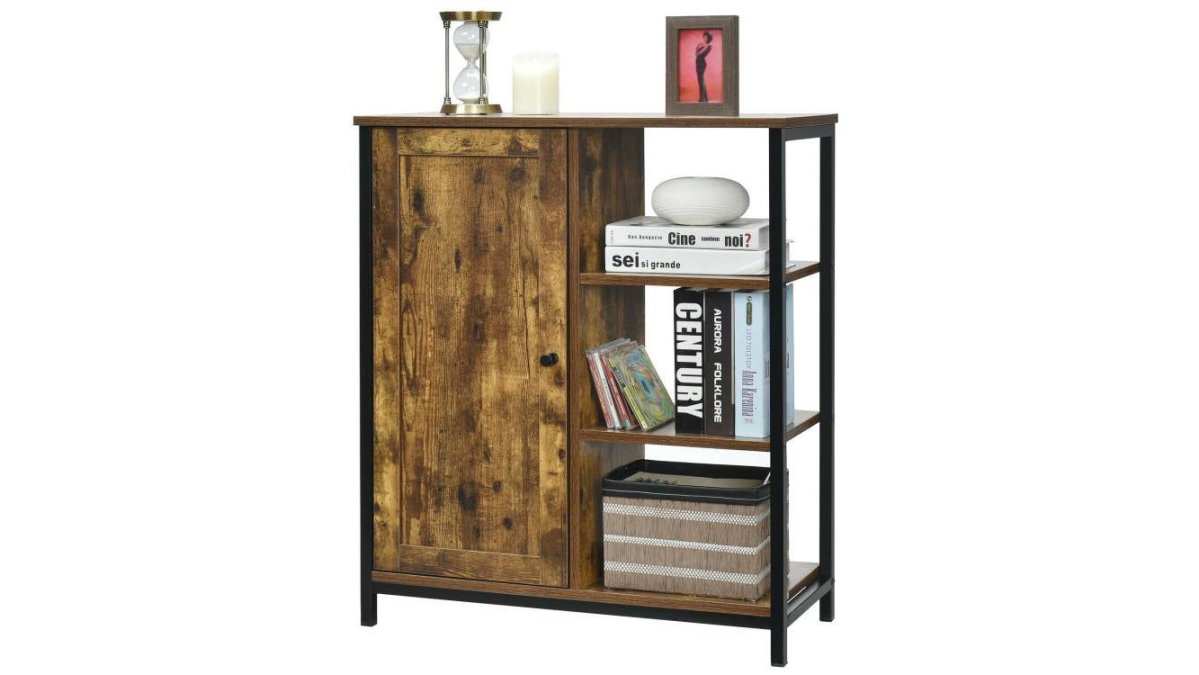
A sideboard or buffet cabinet serves double duty: it stores pet food while functioning as a display piece or serving surface. These pieces are tall enough to keep food out of reach of small children or other pets, sturdy enough to handle the weight of full containers, and designed to be visible as part of your room's design.

Look for sideboards with shelves at least 24 inches wide and 16 inches deep, rated for at least 50 pounds per shelf to safely store two full containers.
Glass or sliding doors keep storage concealed while allowing visibility. Solid doors offer complete concealment but require opening to check levels.
Choose sideboards with both closed and open shelving.
Under-Sink and Toe-Kick Storage
The space under a kitchen or bathroom sink is often wasted. Install a pull-out caddy or sliding organizer in this space to store pet food containers. This keeps food out of sight and uses otherwise dead space.
FDA Pet Food Storage Guidelines and Safety Standards
Pet food manufacturers recommend storing dry food in cool, dry conditions. Most kibble stays fresh for 2-4 weeks after opening in an airtight container.
Creating a Custom Feeding Station
A feeding station combines food storage and feeding bowls in one dedicated zone.
Maintaining Food Freshness and Preventing Pest Issues
Proper storage is your first line of defense against pests. An airtight seal keeps insects, rodents, and other unwanted visitors out. But storage alone isn't enough.
Design Integration: Making Pet Food Storage Part of Your Decor
The final step is treating pet food storage as a design decision, not a storage problem you're hiding. When you choose containers and furniture that match your home's aesthetic, pet food storage becomes an asset instead of an eyesore.
Frequently Asked Questions
What are the best containers for keeping pet food fresh and stylish?
Airtight containers made from stainless steel, ceramic, or food-grade plastic work best for maintaining kibble freshness. Look for containers with secure seals that prevent moisture and air exposure. Stainless steel and ceramic options integrate seamlessly into modern home decor, while transparent food-grade plastic lets you monitor supply levels. Choose containers that match your interior design style so your pet food storage becomes a decorative element rather than an eyesore in your kitchen or pantry.

How can I store large bags of pet food in a small kitchen?
Use pull-out drawer organizers or stackable canisters to maximize vertical space in cabinets and pantries. Consider furniture pieces like sideboards with adjustable shelves that double as both storage and design elements. Divide large bags into smaller airtight containers to save space and make the food easier to access. For multi-pet households, label each container clearly and stack them efficiently. Furniture with hidden compartments keeps kibble out of sight while maintaining a clutter-free appearance in small kitchens.
What does FDA pet food storage guidelines recommend?
The FDA recommends storing pet food in airtight containers to prevent contamination and maintain nutritional value. Keep food in a cool, dry place away from direct sunlight and moisture. Store unopened bags in their original packaging to preserve lot numbers and expiration dates for traceability. Once opened, transfer kibble to sealed containers within two weeks to prevent cross-contamination and pest access. Check expiration dates regularly and rotate stock using the oldest food first to ensure your pet receives fresh nutrition.
How do I prevent pests while keeping pet food storage stylish?
Use pest-proof containers with airtight seals as your first defense against insects and rodents. Store food in elevated furniture like sideboards or cabinets rather than on floors where pests can access it easily. Avoid leaving kibble in open bowls overnight; use covered feeding stations instead. Clean up spills immediately and store treats in sealed canisters. Opt for storage furniture with solid construction and no gaps where pests could enter. This approach maintains both pest protection and the aesthetic appeal of your pet food storage area.