

Tips for Buying Bedding Online: A 2026 Guide
Table of Contents
- Understanding Fabric Materials and Fibers for Online Bedding
- The Difference Between Percale and Sateen Weaves
- Best Thread Count for Sheets: What the Numbers Actually Mean
- Sizing, Fit, and Mattress Depth Considerations
- Certifications and Sustainability: What to Look For
- How to Care for Luxury Bedding and Maximize Durability
- Smart Shopping Tips for Buying Bedding Online
- Frequently Asked Questions
Last Updated: September 1, 2026
Understanding Fabric Materials and Fibers for Online Bedding
When you're buying bedding online, the fabric itself determines everything, how it feels, how long it lasts, how it regulates temperature, and whether it'll survive 50 washes or 500. The material is the foundation, and getting this wrong means no amount of thread count or weave will save you.
The most common choice is cotton, and for good reason. Long-staple cotton varieties like Pima and Egyptian cotton are softer and more durable than standard upland cotton because the fibers are longer, which means fewer knots and a smoother surface. When you're buying bedding online, you'll want to look for these premium varieties if budget allows.
Linen is another natural fiber worth considering, though it's pricier. It's exceptionally breathable and becomes softer with every wash, making it ideal if you sleep hot or live in warm climates. Bamboo viscose is the synthetic alternative that's gained traction, it's silky, moisture-wicking, and often marketed as more sustainable than conventional cotton, though the production process involves chemicals.
Then there's the fill material for duvets and pillows. Down is the gold standard for warmth and loft, but it's expensive and not hypoallergenic. Down alternative, usually polyester microfiber, mimics down's insulation without the allergen risk, making it practical for most households. Fill power, measured in cubic inches, tells you how much insulation you get per ounce. Higher fill power (800+) means warmer, loftier bedding with less weight.
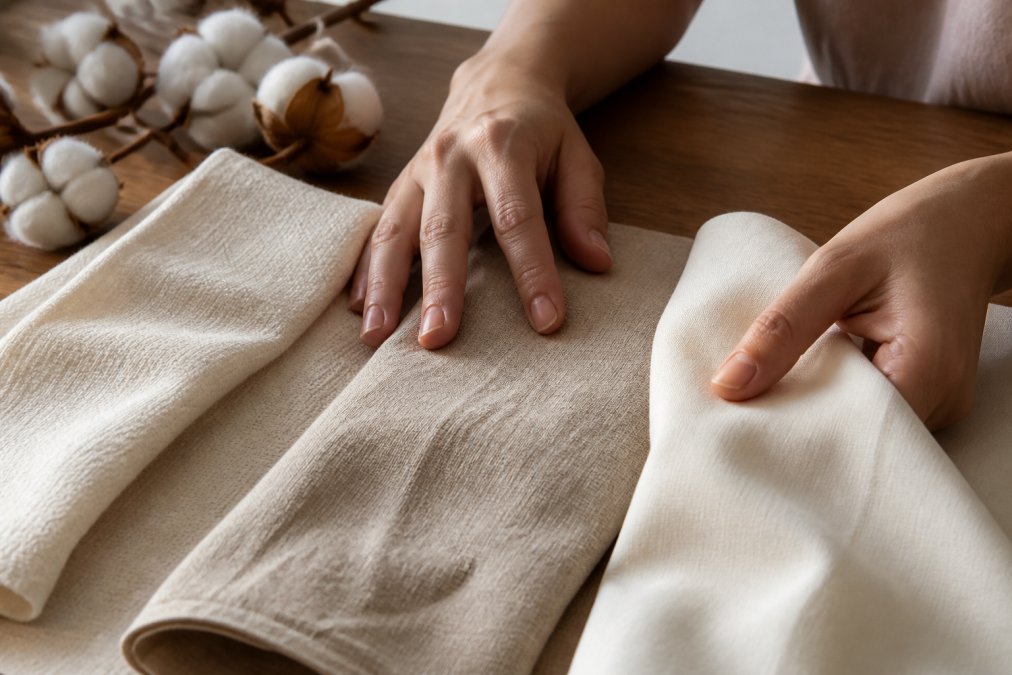
The material you choose affects everything downstream. Cotton breathes and regulates temperature naturally. Linen does the same but with a textured hand feel. Bamboo viscose feels luxurious but can wrinkle more easily. When you're buying bedding online without touching the fabric first, reading descriptions carefully about fiber content and weight (measured in GSM, or grams per square meter) becomes your best defense against disappointment.
The Difference Between Percale and Sateen Weaves
Here's where most people get confused: thread count alone doesn't tell you how sheets will feel. The weave pattern matters just as much, and the two dominant weaves, percale and sateen, create completely different experiences.
Percale weave uses a one-over-one-under pattern, creating a tight, crisp fabric. Percale sheets feel cool to the touch, have a matte finish, and are exceptionally durable because the tight weave resists pilling and tearing. They wrinkle more easily, which some people see as a drawback, but the trade-off is longevity. Percale is your choice if you sleep hot, prefer crisp sheets, or want bedding that will outlast years of washing.
Sateen weave uses a three-over-one pattern, creating a smooth, lustrous surface that feels silky against skin. Sateen sheets have a subtle sheen, feel warmer, and resist wrinkles naturally. They're what luxury hotels use, and they look more elegant on the bed. The downside: sateen doesn't wear as long as percale, and the smooth surface can feel slippery to some sleepers.
The difference between percale and sateen is about trade-offs, not quality. Neither is objectively better, it depends on your sleep style and preferences. Hot sleepers gravitate toward percale. Cold sleepers and those who prioritize aesthetics choose sateen. When you're buying bedding online, understanding this distinction prevents the common mistake of assuming higher thread count automatically means better sheets.
PracticalHomeEssentials.com carries both weaves so you can match your actual sleep needs. The Organic Percale Bed Sheets Set at $54.99 delivers that crisp, cooling feel in certified organic cotton. For sateen lovers, the Organic Sateen Bed Sheets Set at $49.99 offers the same organic certification with that silky hand feel.


Best Thread Count for Sheets: What the Numbers Actually Mean
Thread count measures how many threads are woven into one square inch of fabric, simple concept, widely misunderstood. Most people think higher thread count automatically means better sheets, but that's not how it works.
A reasonable thread count range is 200-800 (the FTC). Anything under 200 feels cheap and wears out quickly. Anything over 800 enters marketing territory, manufacturers sometimes count multi-ply threads multiple times to inflate the number, or they're using lower-quality cotton that needs more threads to feel decent (the FTC).
The sweet spot for most sleepers is 300-600 thread count. In this range, you get durability, softness, and breathability without paying for inflated numbers. A 400-thread-count percale sheet will outperform a 1,200-thread-count sateen made from inferior cotton because the base material matters more than the thread count alone.
Thread count becomes misleading when manufacturers use multi-ply yarn (two or more threads twisted together and counted separately). A sheet labeled 1,000 thread count might actually contain 500 two-ply threads. This inflates the number without improving the sheet. When you're buying bedding online, look for the fiber type and weave first, then use thread count as a secondary filter within your chosen category.
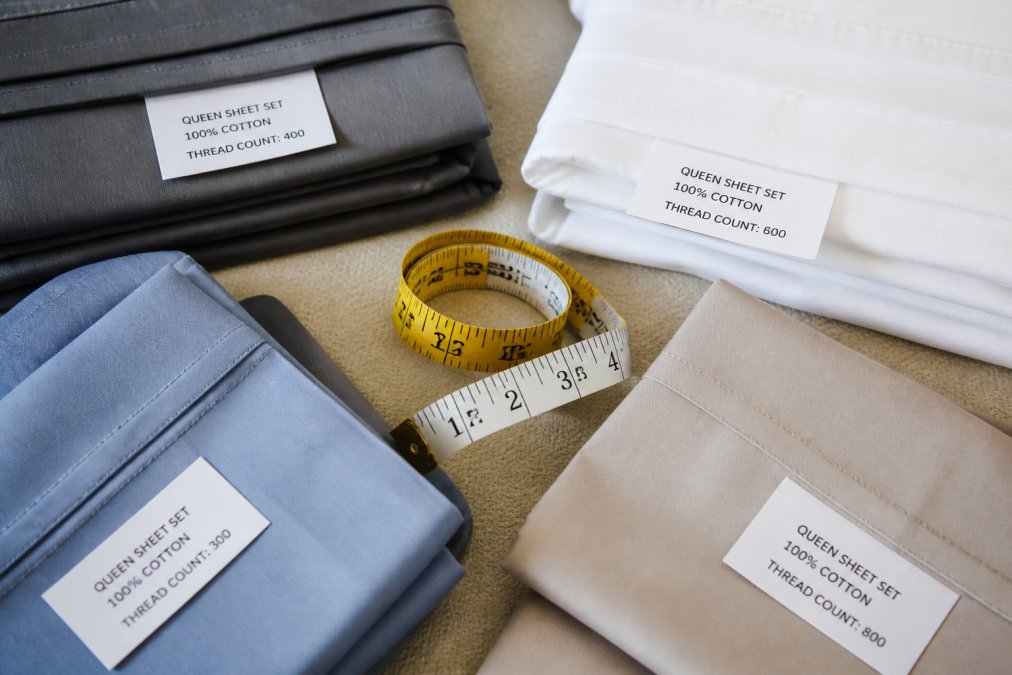
The 500 TC Sateen Bed Sheets at $149.99 represent the practical upper range, high enough for luxury feel, low enough to avoid the marketing games. This thread count, paired with organic cotton and sateen weave, delivers genuine quality without the inflated price tag of dubious 1,200+ claims.

Sizing, Fit, and Mattress Depth Considerations
Bedding sizing seems straightforward until you order online and the fitted sheet won't stay on your mattress. Mattress depth varies, standard is 9-12 inches, but pillow-top and memory foam mattresses can reach 14-18 inches. Most fitted sheets accommodate up to 14 inches, but if you have a thicker mattress, you need deep-pocket sheets.
When you're buying bedding online, measure your mattress depth first. Lay a ruler against the side from the top surface to the bottom edge. Add 2-3 inches to that measurement to ensure the fitted sheet has enough fabric to stay secure. Sheets that are too shallow pop off during the night. Sheets that are too deep bunch and wrinkle.
Flat sheets and pillowcases are more forgiving, they fit most standard sizes, but fitted sheets are where mistakes happen. The Waverly Cotton 450 Thread Count 6 PC. Sheet Set at $120.00 includes extra-deep pockets specifically designed for thicker mattresses, solving this common frustration.
Duvet covers and comforters have their own sizing logic. A queen duvet cover fits a queen comforter, but you need to know your actual comforter dimensions before ordering. Oversized comforters (like 90x98 instead of 88x88) require oversized covers. This detail matters because an undersized cover leaves gaps, and an oversized cover creates excess fabric that pools awkwardly.
Certifications and Sustainability: What to Look For
If you care about what goes into your bedding, pesticides, dyes, labor practices, certifications matter. They're not perfect, but they're the closest thing to third-party verification when you're buying bedding online.
GOTS (Global Organic Textile Standard) is the gold standard for organic cotton. It certifies that cotton is grown without synthetic pesticides, that processing uses approved dyes and finishes, and that labor standards are met (global-standard.org). GOTS-certified sheets cost more, but if chemical sensitivity or environmental impact concerns you, it's worth the premium.
OEKO-TEX Standard 100 certifies that a finished textile is free from harmful chemicals, no heavy metals, formaldehyde, or restricted dyes. It doesn't certify how the cotton was grown, but it guarantees the final product is safe for skin contact. This matters if you have sensitive skin or allergies.
Fairtrade Certified focuses on labor practices and farmer compensation. It ensures workers are paid fairly and work in safe conditions. If ethical sourcing is your priority, look for this certification alongside GOTS.
The 500 TC Sateen Bed Sheets carry both GOTS and Fairtrade certification, addressing both environmental and ethical concerns. The Organic Sateen Bed Sheets Set and Organic Percale Bed Sheets Set are both GOTS-certified organic cotton, giving you sustainable options at accessible price points.
Many sustainable bedding brands use marketing language that sounds impressive but lacks certification backing. When you're buying bedding online, skip the buzzwords and look for actual certifications, GOTS, OEKO-TEX, Fairtrade. These take time and money to earn, which is why they matter.
How to Care for Luxury Bedding and Maximize Durability
Premium bedding demands proper care, or it deteriorates quickly. The difference between sheets that last five years and sheets that last ten comes down to washing and storage habits.
Wash in cool water with a gentle detergent. Hot water breaks down fibers and fades color. Harsh detergents strip the natural oils that make high-quality cotton soft. Use the delicate or gentle cycle, aggressive agitation damages fibers over time, especially in sateen weaves.
Skip the dryer when possible. High heat weakens fibers and causes shrinkage. Line-dry or tumble-dry on low heat. If you must use the dryer, remove sheets while slightly damp and fold immediately to minimize wrinkles.
Avoid fabric softener and bleach. Fabric softener coats fibers and reduces breathability. Bleach weakens cotton fibers and causes yellowing over time. For stains, use oxygen-based cleaners rather than chlorine bleach.
Wash bedding every 1-2 weeks to prevent buildup of skin cells and dust mites, but don't overwash. Every wash, even gentle, causes some wear. Rotate between two sets if possible, this extends the life of each set by reducing washing frequency.
Store clean bedding in a breathable cotton bag or pillowcase, not plastic. Plastic traps moisture and can cause mildew. Keep storage areas cool and dry. Humidity and heat accelerate fiber degradation.
Long-staple cotton like that used in PracticalHomeEssentials.com's certified sheets responds well to this care regimen. The fibers are naturally stronger, so they withstand proper washing cycles better than standard cotton. When you invest in quality bedding, proper care is what transforms that investment into something that genuinely lasts.
Smart Shopping Tips for Buying Bedding Online
The biggest challenge with buying bedding online is that you can't touch the fabric before committing. Here's how to minimize risk and maximize the chance of getting sheets you'll actually love.
Read reviews carefully, but understand what they tell you. A review saying "these sheets are soft" is useless, softness is subjective. A review saying "these sheets stayed cool through the night" or "these sheets wrinkled badly after washing" gives you actionable information. Look for reviews from people with similar sleep styles and preferences to yours.
Check the return policy before buying. A 30-day return window with free returns is standard. If a retailer offers shorter windows or charges return shipping, factor that into your decision. PracticalHomeEssentials.com includes free shipping on orders, which extends to returns, a significant advantage when you're buying bedding online and want the option to send something back without penalty.
Compare price per thread count, but don't let it be your only metric. A $30 sheet set with 200 thread count costs less per thread, but it won't feel or last like a $50 set with 400 threads in better cotton. Use price as one data point, not the deciding factor.
Know your mattress depth before shopping. Measure it, write it down, and check the product description for pocket depth. This single step prevents the most common online bedding complaint, fitted sheets that don't fit.
Look for fabric weight information (GSM). Heavier isn't always better, but it indicates density and durability. A 150 GSM percale sheet is lighter and crisper. A 200+ GSM percale is heavier and slightly softer. Sateen typically runs 150-180 GSM. These numbers help you predict how the sheet will feel and perform.
Start with one set before committing to multiple sets. Even if a set seems perfect based on reviews and specifications, you won't know if it works for you until you sleep on it. Buy one set, use it for a week or two, then decide if you want to invest in additional sets from the same brand.
Consider the complete set, not just sheets. Pillowcases matter, they affect how your skin and hair feel against fabric. Duvet covers affect how your comforter performs. A well-coordinated set from one brand ensures consistency in material and care requirements.
When you're buying bedding online, the goal isn't to find the "best" sheets, it's to find sheets that match your specific needs and sleep style. A hot sleeper who values durability needs completely different sheets than a cold sleeper who prioritizes aesthetics. Define your priorities first, then filter options based on those priorities rather than chasing generic "best of" lists.
Choosing bedding online requires balancing material quality, weave type, thread count, sizing precision, and care commitment. The process feels overwhelming until you recognize that most decisions come down to answering a few core questions: Do I sleep hot or cold? Do I prefer crisp or silky sheets? How long do I want these sheets to last? What's my budget?
At PracticalHomeEssentials.com, we've curated bedding options across different price points and preferences, from the affordable Organic Percale Bed Sheets Set at $54.99 to the premium 500 TC Sateen Bed Sheets at $149.99. Each option prioritizes GOTS certification and durability so you're investing in sheets that last. With free shipping on all orders, you can test your choice with confidence, knowing returns are simple if the bedding doesn't work for your space.
Frequently Asked Questions
How do I know if bedding is high quality when shopping online?
Look for three key indicators: thread count between 300-600 (higher doesn't always mean better quality), GOTS or OEKO-TEX certification proving organic or non-toxic standards, and long-staple cotton varieties like Egyptian or Pima. Check product photos for consistent weave, read customer reviews mentioning durability and shrinkage, and verify return policies so you can assess hand feel and color accuracy after delivery. Quality bedding should feel soft without pilling after washing and retain its shape through multiple washes.
What's the difference between percale and sateen weaves?
Percale uses a tight, one-over-one weave creating a crisp, cool hand feel and excellent breathability, ideal for hot sleepers. Sateen uses a four-over-one weave producing a silky, lustrous surface with more warmth retention. Percale tends to wrinkle more and requires ironing; sateen resists wrinkles but may feel heavy in summer. Choose percale if you sleep hot or want a crisp texture; choose sateen for a luxurious feel and minimal wrinkles.
Is 500 or 1000 thread count better for sheets?
Thread count between 300-600 typically offers the best balance of softness, breathability, and durability. Counts above 800 often use multi-ply yarns or inflated numbers and don't necessarily feel better or last longer. The 500 TC sateen sheets at PracticalHomeEssentials.com ($149.99) deliver luxury feel and GOTS certification without excessive thread count inflation. Focus on fiber type and weave quality over raw thread count numbers.
What should I look for in online bedding return policies?
Check whether returns are free or require you to pay shipping, this significantly impacts your ability to exchange for the correct color or size. Look for trial periods of at least 30 days so you can test how colors appear in your space and how the fabric feels after one wash. Read reviews mentioning return ease, and verify whether the retailer restocks opened bedding or requires sealed packaging. Clear return policies reduce the risk of buying the wrong size or color sight unseen.
This article was written using GrandRanker