

Durable Home Decor for Cat Owners: 2026 Guide
Table of Contents
- Cat-Proof Furniture Fabrics: What Actually Survives Claws
- How to Protect Rugs from Cats Without Hiding Them
- Best Indoor Plants for Cat Owners: Safe and Stylish Picks
- Scratching Posts and Vertical Space That Fit Your Decor
- Rental-Friendly Cat Decor and DIY Repair Tips
- Budget-Friendly vs. Investment Pieces: Where to Spend
- Conclusion: Building a Cat-Friendly Home That Looks Good
- Frequently Asked Questions
Last Updated: September 12, 2026
Cat-Proof Furniture Fabrics: What Actually Survives Claws
Durable home decor for cat owners starts with one honest admission: most upholstery marketed as "pet-friendly" fails within a year. This guide from PracticalHomeEssentials.com breaks down which fabrics genuinely hold up, which ones shred, and how to furnish a home that looks intentional rather than defensive.
The difference rarely comes down to fiber alone. It comes down to weave density and how tightly the yarn is bound.
Why Weave Matters More Than Fiber
A tight weave beats a tough fiber every time. Cats claw by hooking a single thread and pulling; loose, open weaves give them something to grab. Dense, flat constructions let claws slide off without purchase.
What most guides miss is that texture invites scratching. Bouclé, tweed, and loose linen knits read as scratching posts to a cat. Smooth, tight surfaces read as walls.
Microfiber, Leather, and Performance Weaves
Microfiber is the most reliable budget choice for claw resistance. Its dense synthetic construction resists snags, and pet hair wipes off with a damp cloth rather than weaving into the pile. The drawback: it can feel flat and shows oil from hands over time.
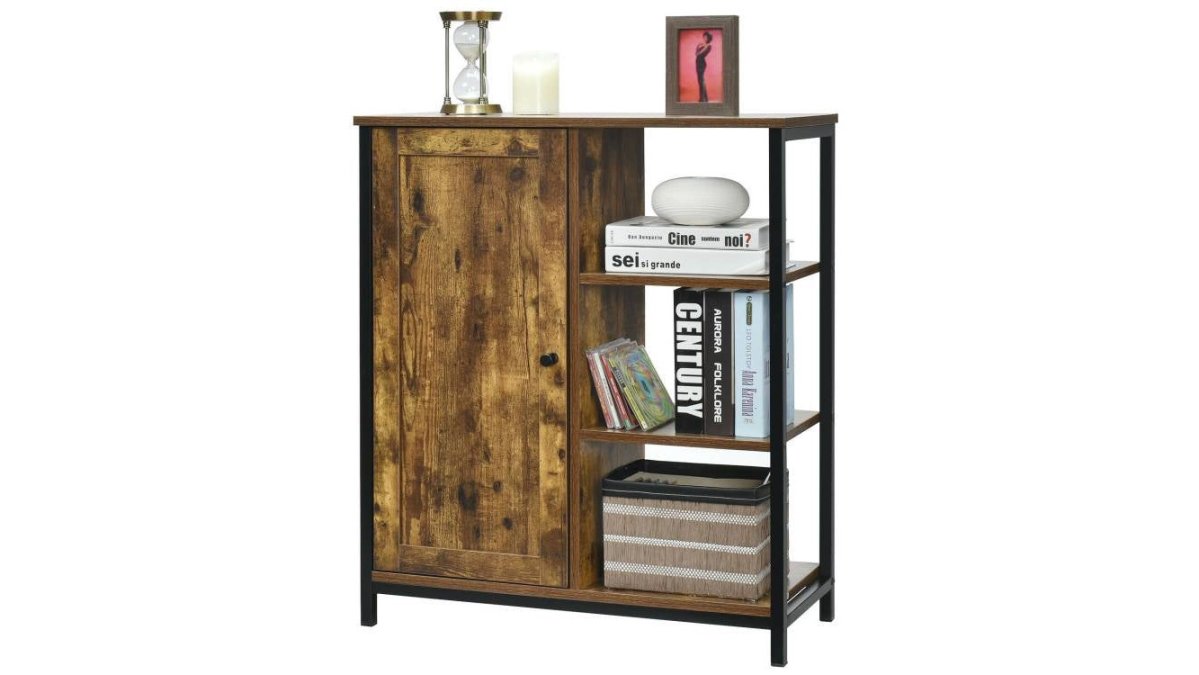
Leather and faux leather hold up well against claws, though punctures are possible from determined diggers. Performance weaves, the tightly woven synthetic blends sold for family homes, offer the best balance of looks and durability. Powder-coated steel frames on furniture like the Modern Industrial Black Metal Brown Wood Sideboard resist scratching entirely, which is why metal-and-wood pieces age better in cat households than all-upholstered ones.

How to Protect Rugs from Cats Without Hiding Them
The rug that survives a cat is one with a tight, low pile and a pattern that hides damage. Loop pile and flatweave constructions resist snagging far better than plush cut pile, which pulls into visible runs.
Natural fibers like sisal and jute offer excellent durability and a designer look, but they are rough underfoot and can be abrasive. Washable rugs have changed this equation entirely: a machine-washable synthetic rug can be cleaned of hair, stains, and odor without professional treatment.
Loop Pile, Sisal, and Washable Rug Options
- Loop pile: tight, durable, hides claw marks; avoid if your cat is a dedicated puller
- Sisal and jute: natural, hard-wearing, best in low-traffic areas
- Washable synthetic: the most practical pick for pet hair management and stain resistance
- Microfiber area rugs: soft, affordable, and easy to spot clean
Stain Resistance and Pet Hair Management
Stain resistance comes from fiber treatment, not thickness. Solution-dyed synthetics hold color through repeated washing. For hair, the real fix is tooling: a cordless handheld vacuum with a brush attachment lifts embedded fur from rug pile in minutes. The Cordless Handheld Vacuum Cleaner at $58.99 includes a hose and brush designed for exactly this.

| Rug Type | Claw Resistance | Cleaning | Best For |
|---|---|---|---|
| Loop pile | High | Spot clean | Living rooms |
| Sisal/jute | High | Vacuum only | Low-traffic areas |
| Washable synthetic | Medium | Machine wash | High-traffic homes |
| Plush cut pile | Low | Professional clean | Cat-free rooms |
Best Indoor Plants for Cat Owners: Safe and Stylish Picks
Safe and non-toxic plants are the only plants that belong in a cat household. Cats chew foliage, and several popular houseplants are genuinely toxic to them, including lilies, sago palms, pothos, and philodendron. Even a small ingestion of lily foliage or pollen can cause acute kidney injury in cats, which is why lilies are the one plant most veterinary toxicologists say should never enter a cat home at any size (aspca.org).
Non-toxic, cat-safe options that still look good: spider plants, Boston ferns, calathea, parlor palms, and ponytail palms. These tolerate indoor light well and add the green texture that makes a room feel finished. A common pattern is that cats ignore thick, leathery leaves and go straight for grassy, strap-like foliage, so a spider plant on a low shelf is effectively a salad bar, while a parlor palm on a console is usually left alone.
Placement Beats Plant Choice
Placement solves most plant problems, and it also solves the rental problem. Hanging planters and high shelves keep foliage out of reach, and a cat tree nearby redirects attention. For renters who cannot drill into walls or ceilings, tension-rod plant poles, over-door hooks, and freestanding plant stands give you height without a single hole. A tall, narrow plant stand in a corner reads as intentional decor and keeps a chewable fern at shoulder height instead of floor level.
Pots, Soil, and Digging
Cats dig in soil, and loose potting mix tracked across a rug is the most common complaint. Two fixes work reliably: top the soil with a layer of large decorative pebbles or polished river stones, which stops digging without harming the plant, and choose heavy ceramic or concrete pots over lightweight plastic, which tips when a cat launches off the rim. A wide, low bowl planter is more stable than a tall narrow one for the same reason.
Design Integration
Group plants in odd numbers at staggered heights, a tall palm, a mid fern, a low calathea, so the arrangement reads as a designed vignette rather than a collection of pots. Match pot finishes to your room's metal accents (matte black, brushed brass, or warm terracotta) so the greenery ties into the existing palette instead of fighting it. A trailing plant in a hanging planter near a window adds vertical interest that a cat tree cannot, and it keeps the foliage above tail height.
Check the ASPCA's toxic and non-toxic plant database before bringing any new plant home; it is the most reliable reference for feline-safe choices and is updated as new toxicity data emerges.
Scratching Posts and Vertical Space That Fit Your Decor
A scratching post only works if your cat prefers it to your sofa, and that comes down to placement, material, and height. Sisal rope and corrugated cardboard are the textures cats choose most; carpet-wrapped posts are a distant third because the texture is too similar to the carpet the cat is already ignoring. The material matters less than most owners think, what matters is that the post is tall enough for a full stretch and stable enough not to wobble.
The Placement Rule That Actually Works
Put a scratching surface next to whatever the cat is already scratching. Blocking access without offering an alternative just moves the damage. If your cat scratches the arm of the sofa, place a post at that arm. If they scratch the corner of the rug, place a flat cardboard scratcher there. Once the cat uses the new surface consistently for a few weeks, you can inch it a few feet away, but never remove it entirely, because the original spot will reassert itself.
Rental-Friendly Vertical Space
This is where most guides fall short: they assume you can drill into walls. Renters cannot, and wall-mounted cat shelves are the single most common reason cat owners lose a security deposit. The workaround is freestanding vertical furniture that provides the same height without a single hole.
- Freestanding cat trees with a weighted base and a narrow footprint fit against a wall or in a corner and move with you.
- Tension-mounted poles that brace between floor and ceiling give climbing height without hardware, check the ceiling height before buying, since they need a firm, flat surface at both ends.
- Over-door and over-cabinet hammocks add a perch using existing door frames, no tools required.
- Bookshelf-style cat towers in wood or powder-coated metal read as furniture, not pet equipment, and can be styled with a throw or a small plant on the top shelf.
Making Vertical Space Look Intentional
Choose pieces in neutral tones, wood, or powder-coated metal so they read as furniture rather than pet equipment. A tall, narrow tower in a warm wood finish next to a bookshelf looks like a design choice; a beige carpeted tree in the middle of the room looks like a compromise. Group the tower with a floor lamp and a plant to anchor it as a corner vignette, and keep the base clear so it does not read as clutter.
The Declaw Warning
Never declaw as a decor solution. The procedure is banned or restricted in several jurisdictions and causes lasting behavioral and health problems (avma.org). Redirect scratching instead.
Rental-Friendly Cat Decor and DIY Repair Tips
Renters face a harder version of this problem: damage comes out of the security deposit. The fix is choosing decor that moves with you and repairing small damage before it compounds.
Rental-friendly moves:
- Use freestanding cat furniture instead of wall-mounted shelves
- Choose washable slipcovers over reupholstering
- Add removable, adhesive-backed scratch guards to door frames
- Keep a repair kit: fabric glue, matching thread, and a felting needle for snagged loops
DIY repair is genuinely effective. A snagged loop pile thread can be trimmed, not pulled, and a felting needle pushes pulled yarn back into the pile. Tighten loose sofa legs and cabinet hardware quarterly; cats lean on furniture, and wobble accelerates wear.
Budget-Friendly vs. Investment Pieces: Where to Spend
Spend on the pieces cats touch daily; save on the pieces they ignore. That is the whole framework.
Investment-worthy: the main sofa, area rugs in high-traffic rooms, and anything structural. These take the most abuse and are expensive to replace. A tightly woven performance fabric sofa or a metal-framed piece like the C-Shaped Side Table at $157.99 will outlast three cheap alternatives.

Save on: throw blankets, decorative pillows, and accessories. A Fennco Styles Rhombus Diamond Knit Throw at $29.99 gives you the layered, cozy look without risking a costly piece on a cat's favorite nap spot. Acrylic knits are machine washable and replaceable.
| Category | Spend Level | Why |
|---|---|---|
| Main sofa | High | Highest abuse, hardest to replace |
| Area rugs | Medium-high | Visible damage, high traffic |
| Throw blankets | Low | Cheap to replace, machine washable |
| Decorative pillows | Low | Frequent hair and snag exposure |
Conclusion: Building a Cat-Friendly Home That Looks Good
Cats and good design are not in conflict. They just require choosing materials with intention: tight weaves over loose ones, washable over delicate, metal frames over soft upholstery.
PracticalHomeEssentials.com curates the practical pieces that make this easier, from cordless vacuums built for pet hair to washable throws and durable storage. Shop the collection, choose options that fit your space, and build a home that survives your cat and still looks like you designed it.
Frequently Asked Questions
What materials are best for cat-proof home decor?
For cat owners, the most durable materials are tightly woven fabrics like microfiber, loop pile carpets, and powder-coated steel furniture. Avoid loose weaves like sisal or bouclé that cats can easily pull. Leather and faux leather also resist claws well because there are no loops to catch. Look for non-toxic finishes and washable rugs to simplify cleanup.
How can I protect my furniture from cat scratching?
Place scratching posts near furniture your cat already targets, and cover vulnerable corners with double-sided tape or slipcovers. Trim nails every two weeks. For upholstery, choose scratch-resistant fabrics like microfiber or leather. Provide vertical space with cat trees to redirect scratching. Consistent redirection works better than punishment.
How do I balance interior design with having a cat?
Choose durable materials that look good, such as merino wool felt, powder-coated steel, and washable rugs. Coordinate colors with your cat's fur to hide pet hair. Use vertical space with stylish cat trees that match your decor. Invest in a few key pieces and use rental-friendly fixes like removable covers to keep your design flexible.
Are there specific home decor items that are dangerous for cats?
Yes. Lilies, azaleas, and oleander are toxic to cats. String lights, cords, and small decorative items can cause choking or electric shock. Avoid non-toxic paints and finishes that may contain heavy metals. Secure bookshelves and cabinets to prevent tipping. Always check plant toxicity with the ASPCA before bringing anything home.