

Benefits of Pet-Friendly Flooring for Your Home
Table of Contents
- Why Pet-Friendly Flooring Matters for Your Home
- Protection Against Pet Accidents and Stains
- Scratch-Resistant Flooring for Pets Keeps Surfaces Looking New
- Easy Cleaning and Low Maintenance
- Comfort and Traction for Pet Paws
- Comparing Pet-Friendly Flooring Options
- Carpet vs. Hard Flooring for Pets
- Health Benefits: Allergens and Indoor Air Quality
- Frequently Asked Questions
Last Updated: October 10, 2026
Why Pet-Friendly Flooring Matters for Your Home
Pet-friendly flooring is designed to withstand the daily wear and tear that comes with having pets while maintaining its appearance and functionality. If you share your home with dogs, cats, or other animals, choosing the right flooring can make a dramatic difference in how well your space holds up over time.
The challenge most pet owners face is simple: standard flooring materials weren't built for paws, accidents, and constant activity. Your pets don't mean to damage your floors, they're just being themselves. The right flooring choice means you stop choosing between having pets and maintaining a beautiful home. You get both.
The flooring you select will affect not just how long your floors last, but also your pet's comfort, your home's cleanliness, and even your family's health. This guide walks you through the key benefits of pet-friendly flooring and helps you understand which options work best for your situation.
Protection Against Pet Accidents and Stains
Pet accidents happen. Whether you're training a puppy, managing an aging pet, or dealing with occasional mishaps, flooring that resists stains and moisture damage is essential.
Pet-friendly flooring protects your home by creating a barrier between accidents and the subfloor. Most standard flooring materials absorb liquids, which leads to permanent stains, odors, and structural damage. Waterproof or water-resistant flooring prevents this damage entirely.
Beyond stain prevention, moisture-resistant flooring protects your home's structural integrity. Water damage spreads quickly through wood subfloors and can lead to mold growth, warping, and costly repairs.
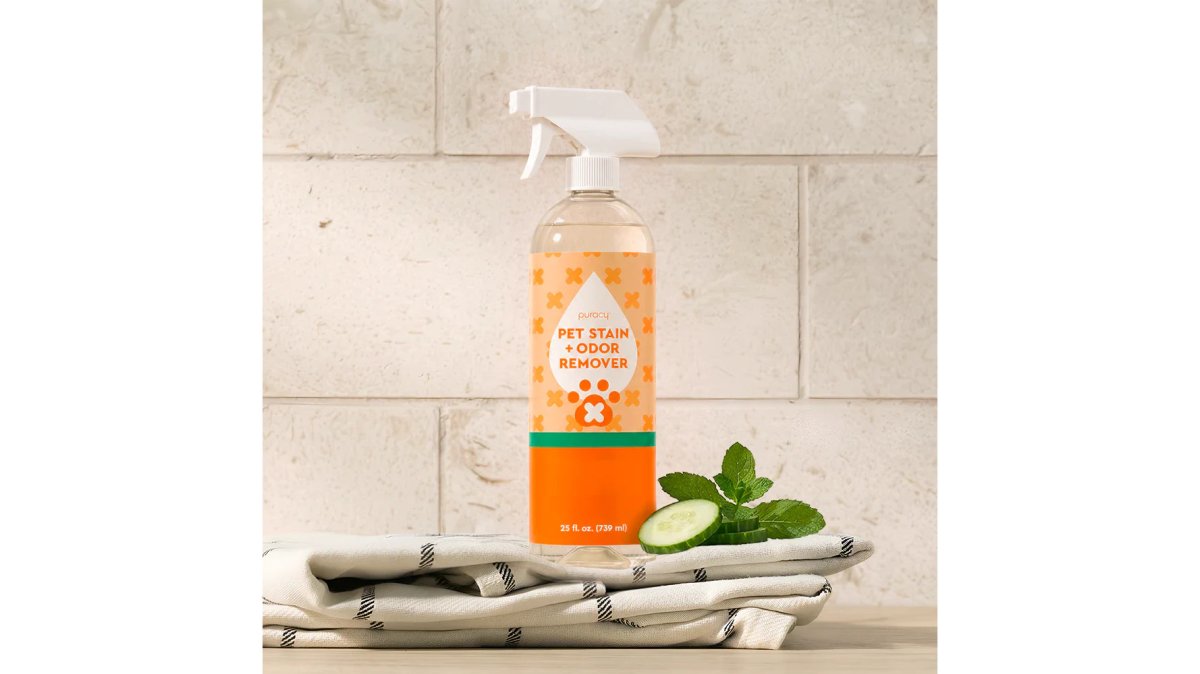
When accidents do happen, cleanup is fast. You wipe up the mess, apply a pet-specific cleaner like PracticalHomeEssentials.com's Pet Stain & Odor Remover, and move on. No deep staining, no lingering odors, no panic about permanent damage.

Scratch-Resistant Flooring for Pets Keeps Surfaces Looking New
Scratches are the most visible sign of pet wear. Every time your dog runs across the floor or your cat extends its claws, the surface gets marked. Scratch-resistant flooring for pets resists these marks, keeping your floors looking newer longer.
The difference between scratch-prone and scratch-resistant flooring becomes obvious within months of pet ownership. Standard laminate and some wood floors show every claw mark. Scratch-resistant options like luxury vinyl, tile, and engineered wood are built to handle daily claw contact without visible damage.
Scratch resistance matters because it affects how often you need to replace or refinish your floors. A floor that scratches easily might need refinishing every 5-7 years. Scratch-resistant flooring can last 15-20 years with normal pet activity. That's not just an aesthetic advantage, it's a cost advantage.
The best scratch-resistant flooring for pets combines a hard, protective surface layer with realistic expectations. No flooring is completely scratch-proof, but quality pet-friendly options make scratches rare and shallow rather than deep and obvious.
Easy Cleaning and Low Maintenance
Pet owners spend significant time cleaning. Pet hair accumulates, muddy paws track dirt, and accidents create stains. The right flooring reduces this burden dramatically.
Easy-to-clean flooring saves you hours every month. Hard surfaces like tile, luxury vinyl, and laminate allow you to sweep, vacuum, and mop without worrying about damage. You're not tiptoeing around wet spots or waiting for floors to dry. Spills and accidents don't absorb into the material, so cleanup is immediate and complete.
Low-maintenance flooring also resists odor. Porous materials trap odors in their structure, creating a persistent smell that cleaning masks but doesn't eliminate. Non-porous, pet-friendly flooring doesn't harbor odor-causing bacteria. You clean the surface, and the smell is gone.
Routine cleaning for pet-friendly flooring is straightforward. Weekly vacuuming removes pet hair. Occasional damp mopping handles dirt and paw prints. You don't need special equipment or harsh chemicals. Many pet owners find that easy cleaning actually encourages more frequent maintenance, which keeps their homes fresher overall.
Comfort and Traction for Pet Paws
Pet comfort matters as much as durability. Your pets spend their entire lives on your floors, so the surface should support their movement and comfort, not just survive their presence.
Traction is critical for pet health. Pets that slip and slide on smooth, slick floors experience stress on their joints and can develop gait problems over time. Flooring with good grip helps pets move naturally and confidently.
Cushioning also matters. Completely hard surfaces like polished tile can be uncomfortable for pets spending hours on their feet. Luxury vinyl and hybrid flooring often include a cushioning layer that provides comfort while maintaining durability.
The best pet-friendly flooring balances these needs. It's not so soft that it damages easily, but not so hard that it strains your pet's joints. It provides grip without being rough or uncomfortable.
Comparing Pet-Friendly Flooring Options
Different flooring materials offer different combinations of benefits. Understanding the trade-offs helps you choose the right option for your home and pets.
| Flooring Type | Water Resistance | Scratch Resistance | Comfort | Maintenance | Best For |
|---|---|---|---|---|---|
| Luxury Vinyl | Excellent | Excellent | Good | Easy | Most pet owners |
| Tile/Porcelain | Excellent | Excellent | Fair | Easy | High-traffic areas |
| Laminate | Moderate | Moderate | Good | Easy | Budget-conscious |
| Engineered Wood | Moderate | Good | Excellent | Moderate | Pet owners wanting wood look |
| Carpet | Poor | Poor | Excellent | Hard | Pets with joint issues |
Luxury Vinyl and Hybrid Flooring
Luxury vinyl is the most popular pet-friendly flooring choice for a reason. It combines waterproof protection, scratch resistance, easy cleaning, and reasonable cost. Luxury vinyl flooring comes in planks that mimic wood or stone, giving you aesthetic options without the vulnerability of real materials.
Hybrid flooring blends luxury vinyl's waterproof core with a harder wear layer, offering enhanced scratch resistance. Both options handle pet accidents instantly, water sits on top rather than soaking in. Cleanup is quick, odors don't develop, and your subfloor stays protected.
The main limitation of luxury vinyl is that very sharp objects can puncture it, though this is rare in typical pet households. Deep gouges are possible but uncommon. For most pet owners, luxury vinyl represents the best balance of performance, cost, and ease of use.
Tile and Porcelain
Tile and porcelain flooring offer unmatched water resistance and scratch resistance. These materials are essentially indestructible from a pet damage perspective. Water doesn't penetrate, claws don't scratch, and accidents are completely contained on the surface.
The trade-offs are comfort and maintenance. Tile is hard and can be cold, which some pets dislike. Grout lines between tiles can harbor dirt and odor if not sealed properly. Cleaning requires attention to grout maintenance. For pets with joint issues, the hardness of tile can be uncomfortable during extended periods on their feet.
Tile works best in high-traffic areas or for pet owners who prioritize durability above all else. It's an excellent choice for entryways, mudrooms, and kitchens where muddy paws are most common.
Laminate Flooring
Laminate is budget-friendly and reasonably durable, but it's less pet-friendly than luxury vinyl or tile. Laminate resists scratches better than standard hardwood, but water damage is a real risk. If your pet has frequent accidents or you have multiple pets, laminate's vulnerability to moisture becomes a problem.
Laminate works for pet owners with older, calmer pets or those with very few accidents. It's not the best choice if you're expecting years of active pet ownership with occasional mishaps.
Engineered Wood
Engineered wood offers the aesthetic of real hardwood with better moisture resistance than solid hardwood. The plywood base resists warping from humidity and spills better than solid wood. However, it's still more vulnerable to water damage than luxury vinyl or tile.
Engineered wood works for pet owners who prioritize the look of real wood and have pets with minimal accident risk. It requires more careful maintenance than other pet-friendly options, but it delivers the warmth and appearance many homeowners want.
Carpet vs. Hard Flooring for Pets
This is the fundamental choice: carpet or hard surfaces. Each has distinct advantages and disadvantages for pet owners.
Carpet provides comfort and warmth that hard flooring can't match. Pets with joint issues or senior animals often prefer the cushioning that carpet offers. Carpet is also quieter and feels cozier. However, carpet is essentially incompatible with active pet ownership. Pet hair embeds in fibers, accidents soak through to the pad, and odors become permanent. Cleaning carpet after pet accidents is difficult and often ineffective.
Hard flooring, whether tile, vinyl, or laminate, prioritizes protection and cleanliness. Accidents don't penetrate, hair doesn't embed, and odors don't develop. Cleaning is straightforward. The trade-off is that hard flooring is harder on your pet's joints and can feel cold.
The practical answer for most multi-pet households is hard flooring in high-traffic areas and carpeted spaces in lower-traffic zones. Bedrooms or quiet corners can have carpet for comfort, while kitchens, entryways, and living areas use hard flooring for protection.
Health Benefits: Allergens and Indoor Air Quality
Pet-friendly flooring affects more than just durability. It influences your home's air quality and your family's health.
Carpet traps pet dander, dust, and allergens in its fibers. These particles accumulate over time and become airborne when disturbed. For families with pet allergies or asthma, carpet can worsen symptoms significantly.
Non-porous flooring is easier to keep clean, which means fewer allergens circulating in your home. Regular sweeping and mopping remove dander and dust before they become airborne.
Additionally, pet-friendly hard flooring doesn't harbor bacteria or mold in the way that moisture-absorbing materials do. When accidents happen on carpet or porous flooring, bacteria can grow in the damp environment even after surface cleaning.
For families concerned about indoor air quality, pet-friendly hard flooring is a genuine health advantage. It's not just about comfort and cleanliness; it's about breathing easier in your own home.
Pet-friendly flooring transforms how you live with your animals. Explore our selection of home essentials designed to support pet-friendly living, and discover how the right choices make everyday life easier.
Frequently Asked Questions
What type of flooring is safe for dogs?
Luxury vinyl, tile, porcelain, and engineered wood are all safe for dogs. These pet-friendly flooring materials don't contain harmful chemicals and are designed to withstand scratching and accidents. Avoid flooring with sharp edges or unfinished surfaces that could splinter. Ensure the flooring has adequate traction to prevent slipping, which is especially important for older dogs or those with joint issues. Always verify product certifications for pet safety before purchase.
Which flooring is best for pet urine accidents?
Luxury vinyl plank, porcelain tile, and hybrid flooring excel at handling pet urine because they're completely waterproof and prevent urine from seeping into subfloors. These materials resist staining and odors when sealed properly. Hard surfaces allow quick cleanup before moisture penetrates. For stubborn odors, products like Pet Stain & Odor Remover ($17.99) can eliminate stains and smell at the source. Avoid unsealed hardwood and natural stone, as urine can permanently damage these materials.
Can pet-friendly flooring help prevent scratches?
Yes, scratch-resistant flooring for pets is specifically engineered to withstand claw marks. Luxury vinyl and hybrid flooring have protective wear layers that resist scratching better than traditional hardwood. Porcelain tile is extremely scratch-resistant due to its hardness. Laminate and engineered wood offer moderate scratch resistance when treated with protective finishes. Regular nail trimming and paw pad maintenance also reduce scratching, but choosing the right material is your first line of defense against visible damage.
Is hard flooring better than carpet for pets?
Hard flooring generally outperforms carpet for pet owners. Hard surfaces are easier to clean, prevent urine from soaking into fibers, and resist scratching and staining better. Carpet traps pet hair, dander, and odors, making it harder to maintain air quality. However, carpet provides better cushioning and traction for senior pets. A hybrid approach, hard flooring in high-traffic and accident-prone areas with small washable rugs for comfort, offers the best balance of protection, cleanliness, and pet comfort.